Understanding Integrated Modular Systems
Integrated Modular Systems (IMS) have gained considerable traction in various industries, particularly in water treatment and management. These systems are designed to offer flexibility, efficiency, and reliability by combining multiple functional modules into a single cohesive structure. As industries look to modernize and enhance their operational capabilities, understanding the fundamentals of these systems becomes essential for effective implementation and sustainability.
When exploring options, Integrated Modular Systems provide comprehensive insights into solutions tailored for specific challenges.
What Are Integrated Modular Systems?
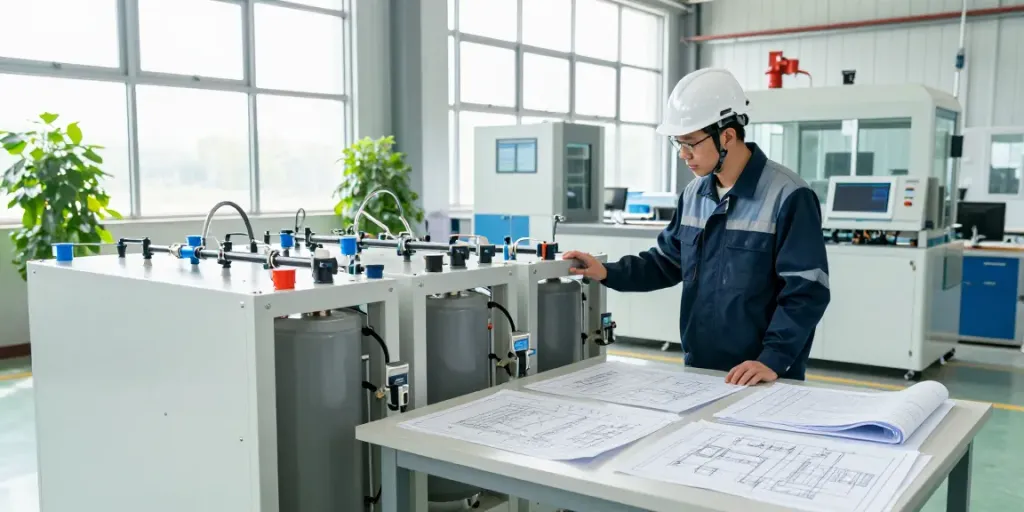
Integrated Modular Systems are architected to provide a versatile and efficient solution by combining various modular components that can be independently maintained or replaced without impacting the entire system’s functionality. This design is particularly beneficial in industries such as water treatment, where efficiency and adaptability are critical due to varying operational demands and environmental regulations.
Key Components of Modular Systems
At the core of Integrated Modular Systems lie several key components:
- Modular Units: Independent units that can be mixed and matched based on operational needs.
- Control Systems: Centralized digital control systems that manage the interactions between different modules.
- Scalable Design: Ability to add or remove modules as required without significant downtime.
- Standardized Interfaces: Ensures compatibility between different modules, enabling easy integration.
Applications in Water Treatment
Integrated Modular Systems are prevalent in water treatment applications, where they cater to diverse needs ranging from chemical dosing to sludge dewatering. These systems allow for tailored treatments based on the specific characteristics of the wastewater being processed. For instance, the Integrated Membrane Water Treatment System effectively removes contaminants through advanced filtration methods, ensuring water quality meets regulatory standards while optimizing operational efficiency.
Benefits of Integrated Modular Systems
Cost Efficiency and Scalability
One of the most significant advantages of Integrated Modular Systems is their cost efficiency. By integrating multiple modules, businesses can optimize resource allocation, reducing operational expenditures. Scalability is another crucial factor; companies can expand their systems incrementally based on demand, allowing for capital investments to be more manageable and less risky.
Improved Performance Metrics
Integrated Modular Systems improve performance metrics through enhanced monitoring and automation. Real-time data collection and analytical insights enable operators to fine-tune processes, reducing energy consumption and waste generation. As a result, facilities can achieve sustainability goals while maintaining high operational standards, which is critical in industries facing stringent environmental regulations.
Enhanced Reliability and Maintenance
The modular nature of these systems allows for simplified maintenance procedures. If one module requires servicing, it can be isolated without significant disruption to the entire system. This reliable operation minimizes downtime and enhances the overall resilience of water treatment processes.
Common Applications of Integrated Modular Systems
In Chemical Treatment Processes
Integrated Modular Systems play a pivotal role in chemical treatment processes. These systems allow for precise dosing and mixing of chemicals, which is essential for effective treatment. For example, the Chemical Treatment System can adapt to various water conditions, ensuring that the right chemicals are used in the right quantities to optimize treatment outcomes.
For Wastewater Management
In wastewater management, Integrated Modular Systems are instrumental in handling diverse waste streams. The DAF (Dissolved Air Flotation) Integrated Treatment System integrates chemical dosing with advanced flotation techniques, enabling the efficient removal of suspended solids. This system is particularly effective for treating wastewater with low-density flocs that are challenging to precipitate.
In Sludge Dewatering Techniques
Sludge dewatering is another area where Integrated Modular Systems shine. The Sludge Dewatering Modular System is designed to enhance the efficiency of sludge handling. By incorporating advanced technologies such as centrifugation and membrane filtration, these systems significantly reduce the volume of sludge, lowering disposal costs and improving recovery rates of nutrients for potential reuse.
Best Practices for Implementation
Planning and Design Considerations
Implementing Integrated Modular Systems requires careful planning and design. Stakeholders should conduct a thorough analysis of operational needs and environmental factors. Engaging with experienced manufacturers during the design phase can identify optimal configurations and technologies that align with specific requirements.
Integration with Existing Infrastructure
Successful integration with existing infrastructure is vital for the smooth operation of Integrated Modular Systems. Assessing compatibility and potential modifications needed for legacy systems can facilitate a seamless transition and operation. This process often involves detailed engineering assessments and sometimes retrofitting existing assets to work harmoniously with new technologies.
Monitoring and Optimization Strategies
Effective monitoring and optimization strategies are crucial for maximizing the performance of Integrated Modular Systems. Continuous data collection through IoT-enabled sensors allows operators to identify trends and anomalies in system performance. Utilizing predictive analytics can further enhance operational efficiency, enabling proactive adjustments before issues arise.
Future Trends in Integrated Modular Systems
Technological Advances and Innovations
The future of Integrated Modular Systems hinges on ongoing technological advances. Innovations such as artificial intelligence (AI) and machine learning (ML) are poised to enhance operational efficiencies by providing deeper insights into system performance and capabilities for predictive maintenance. Automation will also continue to grow, further improving the reliability of these systems.
Environmental Impact and Sustainability
As the demand for sustainable practices escalates, Integrated Modular Systems will increasingly focus on reducing their environmental impact. Enhanced treatment technologies and resource recovery (like water and energy) will play a significant role in sustainable water management practices, assisting industries in meeting stringent environmental standards.
Emerging Market Opportunities for 2026
The global push for sustainable water management solutions will create significant market opportunities for Integrated Modular Systems in the coming years. Industries like agriculture, manufacturing, and energy will seek innovative solutions to manage water usage and treatment, highlighting the importance of adaptable and efficient systems.
What is the lifespan of Integrated Modular Systems?
The lifespan of Integrated Modular Systems can vary based on usage and maintenance, but with proper care, they can provide reliable service for 15 to 25 years. Regular maintenance and timely upgrades can enhance this lifespan even further, ensuring that systems remain efficient and effective.
How do Integrated Modular Systems save costs?
Integrated Modular Systems save costs primarily through enhanced efficiency, reduced energy consumption, and lower maintenance costs associated with modular designs. By allowing for incremental expansions and the ability to replace individual modules, companies can avoid the larger capital expenses associated with traditional systems.
What challenges are associated with implementing these systems?
Challenges in implementing Integrated Modular Systems often include ensuring compatibility with existing infrastructure, overcoming resistance to change within organizations, and securing the necessary capital for investment. Addressing these challenges through careful planning and stakeholder engagement is crucial for successful adoption.
Which industries benefit most from Integrated Modular Systems?
Industries that benefit most from Integrated Modular Systems include water treatment facilities, chemical processing plants, agricultural operations, and food and beverage manufacturers. These sectors often require flexible, efficient systems that can adapt to changing conditions and regulatory demands.
What technological trends affect Integrated Modular Systems?
Technological trends influencing Integrated Modular Systems include advancements in automation, real-time data analytics, and the integration of artificial intelligence. These technologies enhance system performance and allow for smarter, more efficient operations, ultimately driving down costs and improving service delivery.