1. Introduction to Clarksburg Wine Tasting
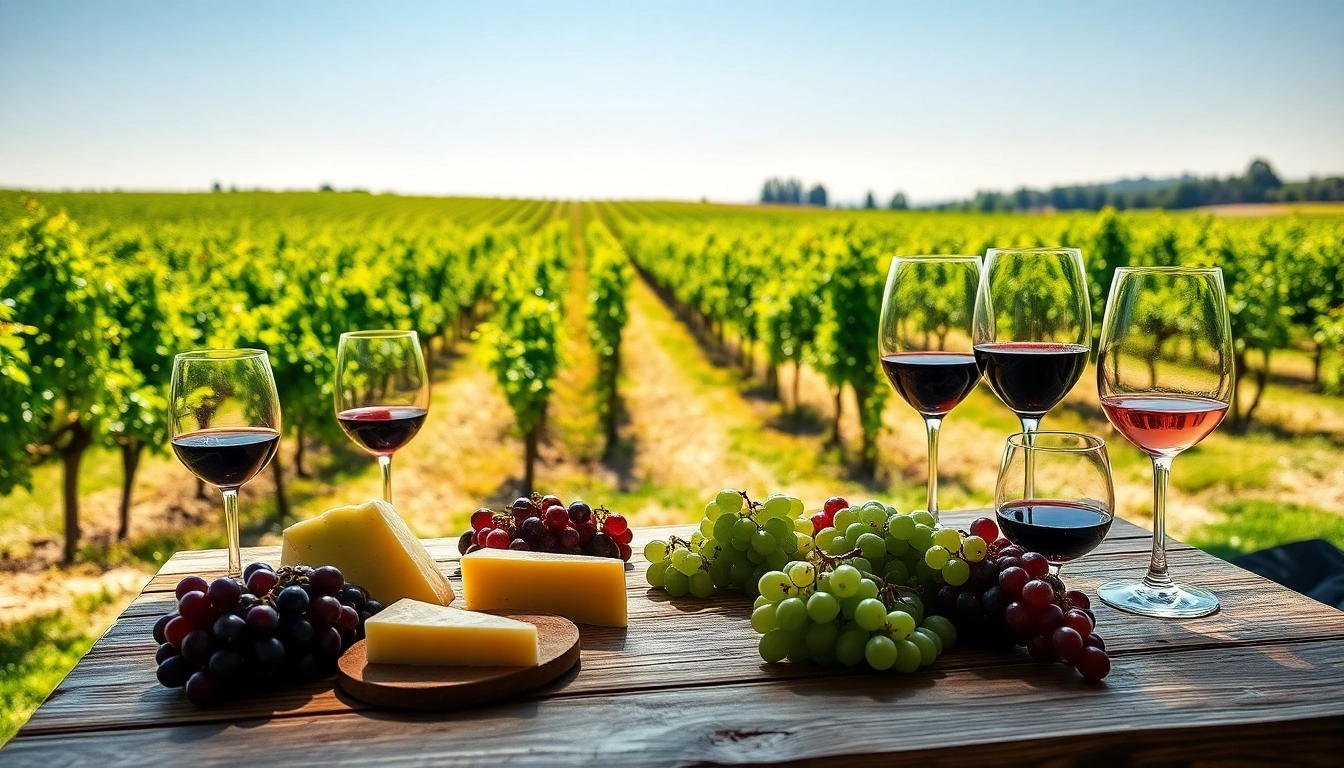
Clarksburg, a hidden gem located near the vibrant city of Sacramento, has carved a niche in the world of viticulture. This region offers wine enthusiasts a unique opportunity to indulge in clarksburg wine tasting experiences that blend rich flavors, scenic vineyards, and expert guidance. With its conducive climate, diverse grape varieties, and a growing number of wineries, Clarksburg invites both novices and seasoned connoisseurs to explore its offerings.
1.1 What to Expect at a Clarksburg Wine Tasting
Attending a wine tasting in Clarksburg is not just about sipping wines; it is an experience that encompasses the senses. Visitors can expect a guided journey through various wine styles, including whites, reds, and rosés, often featuring selections made from the region's signature grape varieties such as Chenin Blanc and Tempranillo. Tastings usually occur in an inviting setting, often among lush vineyards or rustic wineries, creating a relaxed ambiance.
During a typical tasting, guests will learn about the wine-making process, the intricate relationship between climate and grape quality (terroir), and the unique characteristics of each wine. You may also have the opportunity to meet the winemakers, gaining insight into their passion and philosophy behind the bottles they produce.
1.2 The Importance of Local Terroir
Terroir plays a pivotal role in shaping the flavor profile of wines. It encompasses the soil composition, climate, and topography of a region, all of which influence grape growth. Clarksburg's unique terroir, with its alluvial soils and Mediterranean climate, contributes to the exceptional quality of wines produced here. The proximity to the Sacramento River provides a natural temperature regulation, ensuring optimal conditions for grape maturation.
This regional focus on terroir not only enhances the wine's characteristics but also promotes a deep-rooted connection between the land and its winemakers, resulting in wines that tell the story of Clarksburg itself.
1.3 Why Choose Clarksburg for Wine Tasting
Clarksburg stands out as a wine tasting destination for several reasons. Its relatively smaller scale compared to Napa and Sonoma allows for a more intimate experience, where guests can engage in meaningful conversations with winemakers and staff. Furthermore, Clarksburg boasts a diverse range of wine styles and varietals, offering something for every palate.
With its charming scenery, welcoming atmosphere, and unique wine selections, Clarksburg provides an unparalleled opportunity for wine lovers to discover new favorites while enjoying a leisurely day in the countryside.
2. Planning Your Visit
2.1 Best Time to Experience Clarksburg Wine Tasting
The best time to visit Clarksburg for wine tasting is during the harvest season, typically from late summer to early fall. This period not only offers an abundance of ripe grapes but also features various harvest festivals that celebrate the winemaking process. Ideal weather conditions from late spring to early fall create a pleasant atmosphere for vineyard tours and outdoor tastings.
Spring, too, presents a beautiful setting, as vineyards blossom and the landscape bursts into color, providing a picturesque backdrop for tastings. While wine tasting is enjoyable year-round, these prime seasons truly enhance the experience.
2.2 What to Bring for a Memorable Tasting
Having the right items can significantly enhance your wine tasting experience. Here are some essentials to consider:
- Comfortable Clothing: Dress in layers, as weather can fluctuate. Wear comfortable shoes for walking around the vineyards.
- Water Bottle: Hydration is important, especially when tasting multiple wines. Drink water between tastings to cleanse your palate.
- Tasting Notes Journal: Jot down your thoughts on each wine you sample. This helps you recall your favorites and enhances your appreciation.
- Camera: Capture the beautiful scenery and memories from your visit.
- Designated Driver: Ensure you have a safe transportation plan if you’re tasting various wines.
2.3 Understanding Tasting Etiquette
Wine tasting comes with its own set of etiquettes that enhance the experience for both the guest and the host. Key points include:
- Introduction: When you arrive, introduce yourself to the staff and express your interest in what they have to offer.
- Listen and Engage: Pay attention to the host’s explanations, and don't hesitate to ask questions about the wines.
- Spitting vs. Swallowing: While it can be tempting to swallow every sip, spitting allows you to taste more without the effects of alcohol.
- Limit Tasting Volume: Taste in moderation; it’s about experiencing wines in depth rather than quantity.
- Special Requests: If you have preferences or allergies, communicate these to the staff beforehand.
3. Popular Wineries in Clarksburg
3.1 Notable Features of Clarksburg Wineries
Clarksburg's wineries each offer distinct characteristics that cater to diverse preferences. Many wineries pride themselves on sustainable farming and innovative winemaking techniques, which contribute to the richness of their offerings. The region's wineries range from small boutique operations to larger, family-owned estates, each showcasing local heritage and craftsmanship.
Visiting these wineries allows guests to not only taste but also understand the passion and dedication that go into every bottle. Many also feature stunning architecture and landscapes, blending the beauty of nature with fine wine.
3.2 Signature Wines to Try at Clarksburg Wine Tasting
When sampling wines in Clarksburg, keep an eye out for the region's signature varietals:
- Chenin Blanc: Known for its versatility, this white wine can range from dry to sweet and offers bright acidity with fruit-forward flavors.
- Tempranillo: Often celebrated for its rich, bold characteristics, Tempranillo lends itself well to aging and has nuanced earthy flavors.
- Sangiovese: This fruity red wine is notable for its vibrant acidity and pairs beautifully with a variety of foods.
- Mourvèdre: A lesser-known varietal, Mourvèdre delivers complex flavors with berry undertones and hints of spice.
- Barbera: Recognized for its lively acidity and low tannins, this wine is delightful when paired with food.
3.3 Behind the Scenes: Winemakers’ Stories
Every bottle of wine carries a story, and Clarksburg's winemakers are passionate about sharing their journeys. Many of them began as hobbyists with a love for wine and evolved into professional vintners, driven by a desire to produce quality wines that reflect the region's essence. Their stories often intertwine with family traditions, innovations, and a commitment to sustainable practices.
By engaging with these knowledgeable individuals during your wine tasting, you gain valuable insights into their unique philosophies, challenges faced, and triumphs in the winemaking journey, enriching your overall experience.
4. Enhancing Your Wine Tasting Experience
4.1 Pairing Food with Wine
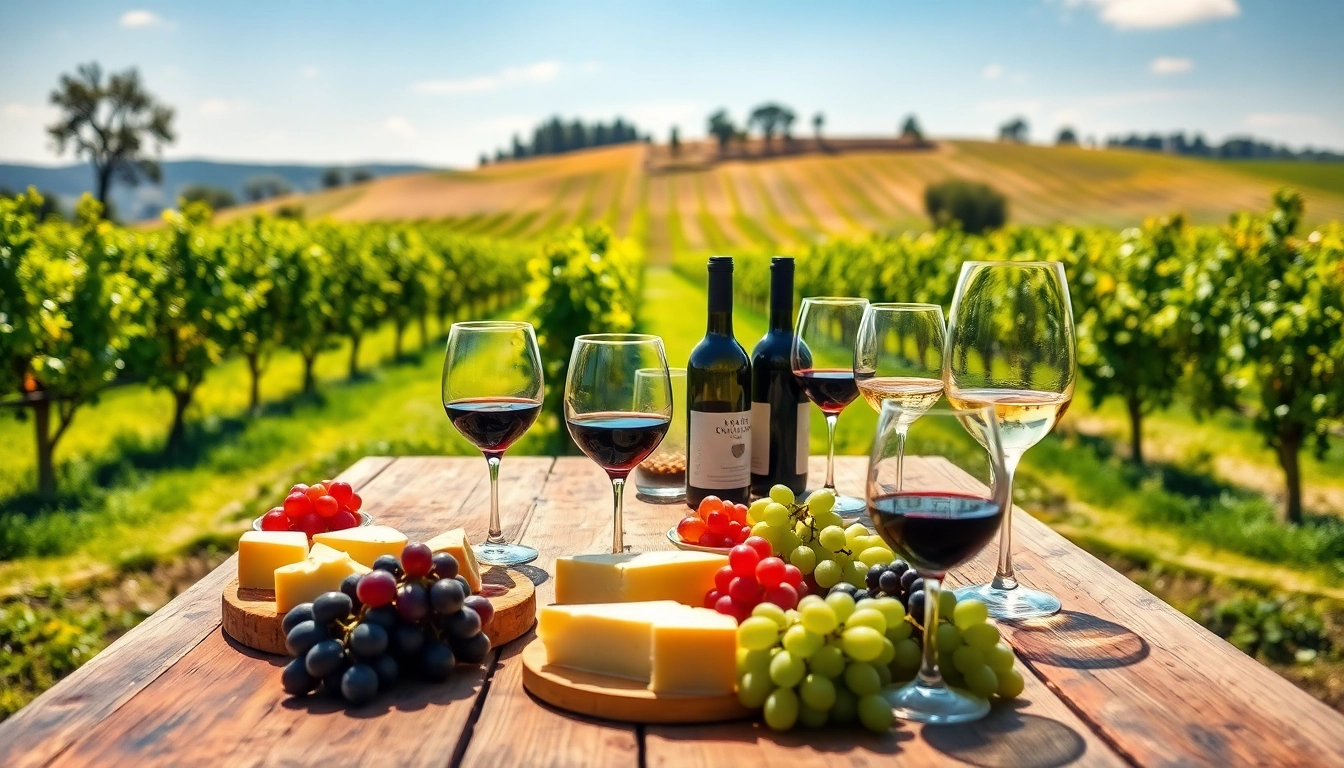
Food and wine pairing can significantly elevate your tasting experience. The interplay between flavors often enhances the overall enjoyment. Here are some classic pairing suggestions:
- Chenin Blanc: Pairs well with seafood and light pasta dishes, as its acidity cuts through rich flavors.
- Tempranillo: Complements grilled meats and dishes with robust spices, enhancing its earthiness.
- Sangiovese: Ideal with Italian cuisine, like pasta or pizza, due to its acidity and fruitiness.
- Mourvèdre: Matches nicely with hearty stews and gamey meats, bringing out its rustic qualities.
- Barbera: Works beautifully with charcuterie and flavorful cheeses, thanks to its acidity.
4.2 Engaging with Wine Experts
To truly enrich your wine tasting experience, make the most of the expertise available to you. Most wineries offer opportunities for one-on-one interactions with sommeliers or winemakers, which can elevate your understanding of wine. Don’t hesitate to ask for recommendations based on food pairings, specific taste profiles, or suggestions for wines to take home.
Additionally, partaking in guided tastings led by experts can offer deep insights into the evolving nature of Clarksburg wines, spotlighting seasonal variations and production techniques.
4.3 Exploring Additional Activities in Clarksburg
Beyond wine tasting, Clarksburg has much to offer for a well-rounded visit. Consider incorporating the following activities into your itinerary:
- Vineyard Tours: Experience the vineyard firsthand, learning about grape growing and harvesting processes.
- Culinary Experiences: Look for cooking classes that highlight local ingredients and wine pairings.
- Outdoor Recreation: Explore the nearby Sacramento River Delta, offering opportunities for kayaking, biking, and bird-watching.
- Art Walks: Participate in local art displays or festivals, showcasing regional artists.
- Farmers' Markets: Discover fresh local produce and artisanal goods, which pair perfectly with your wine experiences.
5. FAQs About Clarksburg Wine Tasting
5.1 What wines are typically served during Clarksburg wine tasting?
Clarksburg wine tasting often features local varietals like Chenin Blanc, Tempranillo, Sangiovese, and more, showcasing the region's diversity.
5.2 How can I book a clarksburg wine tasting experience?
Booking a tasting typically involves visiting the winery's official website or calling directly to reserve your spot, especially on weekends.
5.3 Are children allowed at Clarksburg wine tasting events?
Most wineries welcome children but have designated areas. It's wise to check policies in advance to ensure a comfortable visit.
5.4 What should I wear to a clarksburg wine tasting?
Dress comfortably and in layers, considering both vineyard walks and indoor tastings. Comfortable shoes are a must for walking.
5.5 Can I purchase wine after tasting in Clarksburg?
Yes, most wineries provide the option to purchase bottles after tastings, often offering discounts for guests.