The Art of French Manicures
The elegance and sophistication of French manicures have made them a popular choice for women (and men) seeking a timeless nail design. Characterized by a natural base with white-tipped nails, this manicure style is versatile enough to suit any occasion, from casual gatherings to formal events. Delving into the realm of French manicures reveals a rich history, essential tools, step-by-step application techniques, and innovative trends that keep this style fresh. This comprehensive guide will explore everything you need to know about achieving the perfect French manicure.
History of French Manicures
The origin of the French manicure is often attributed to the 1970s, but its roots may stretch back even further. Reports suggest that manicures resembling the modern French style were prevalent in ancient Egypt. However, it was during the 20th century that the trend really took off, particularly in Hollywood, where it became a favorite among actresses seeking a clean and polished look. The term "French manicure" became popular in the United States thanks to nail stylist Jeff Pink, who developed it as a quick and easy way for actors to have a universally appealing nail design that complemented various wardrobe choices. Today, the French manicure is synonymous with elegance and remains a favorite across the globe.
Why Choose French Manicures
French manicures are preferred for various reasons. Firstly, their classic design creates a chic yet understated look, making them suitable for any setting, whether at the office or on a night out. Secondly, they have a natural appearance, which appeals to those who prefer a subtle style over bold, flashy designs. Additionally, the versatility of French manicures allows for endless customization. While the classic white tip remains the favorite, many now enjoy colored tips, nail art embellishments, and unique shapes. This adaptability enables individuals to express their personal style while enjoying the timelessness of French manicures.
Essential Tools for French Manicures
To achieve the perfect French manicure, it is crucial to have the right tools. Here’s a list of essential items:
- Nail Clipper: To maintain your nail shape and length.
- Nail File: For smoothing edges and creating the desired tip shape.
- Base Coat: Helps to protect nails and provides a neutral foundation.
- White Nail Polish: For those signature tips.
- Top Coat: Seals the design for durability and gives shine.
- Nail Brush or Striping Brush: For precision when applying polish.
- Cotton Pads and Nail Polish Remover: For clean-up and correction.
- Cuticle Oil: For nourishing and maintaining healthy cuticles.
Step-by-Step Guide to French Manicures
Prep Your Nails for French Manicures
Preparation is key to achieving a flawless French manicure. Start by removing any existing nail polish before shaping your nails. Use a nail clipper and file to create uniform lengths and a desired shape, typically a square or rounded tip is recommended. Once your nails are shaped, gently push back your cuticles and trim any excess skin. It’s advisable to moisturize your cuticles with oil to enhance their appearance and health before beginning the application process.
Applying the Base and Tips
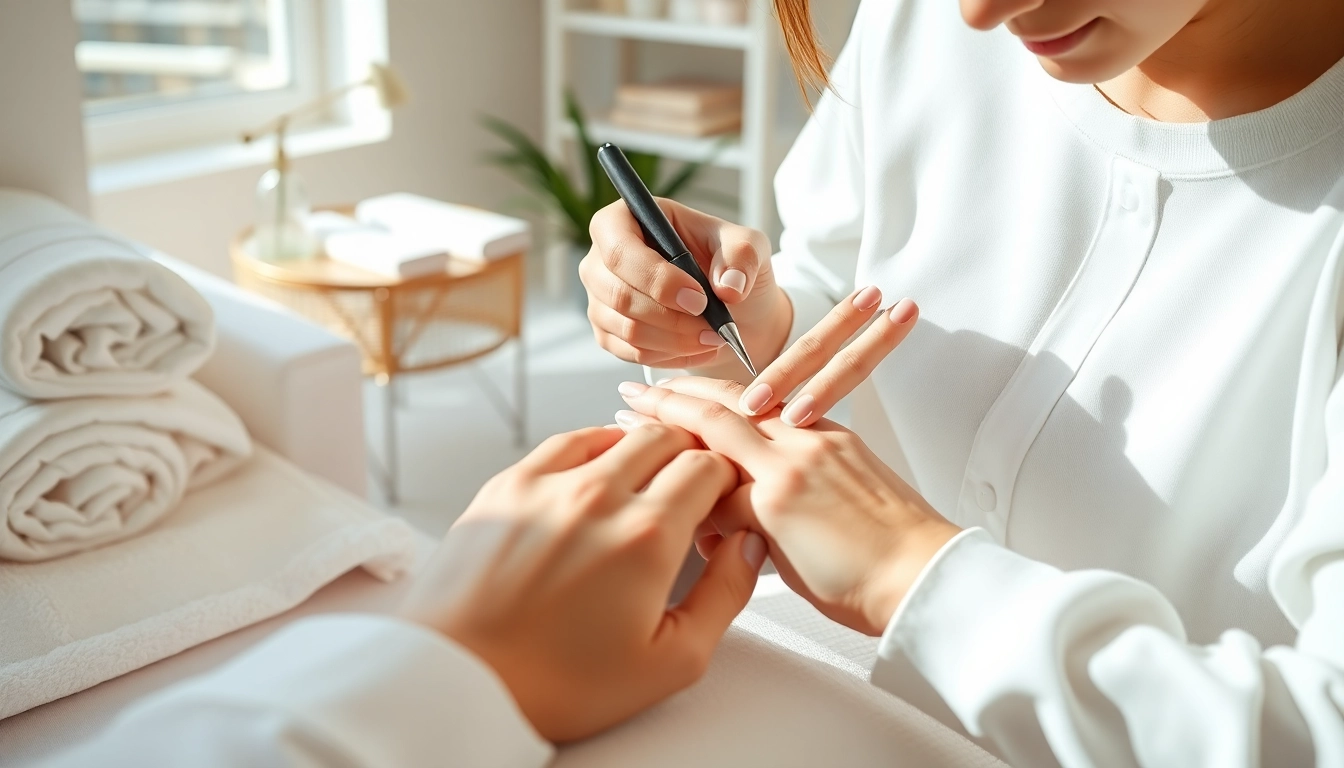
Begin by applying a base coat to shield your nails and promote adherence for the colored polish. Allow this coat to dry fully. Next, apply a light pink or nude nail polish to the entire nail for a seamless foundation. Once the base layer is dry, it’s time to create the iconic tips. Use your white nail polish to paint a thin line across the tips of each nail. For precision, hold the nail brush at a slight angle and make short, swift strokes from one side to the other. If you prefer more control, using nail tape can help create clean lines while painting the tips. Allow this to dry completely before moving on to the finishing touches.
Finishing Touches and Top Coats
After the tips have dried, it’s imperative to seal your design with a good-quality top coat. This will not only enhance the shine of your manicure but also protect it from chips and wear. Apply the top coat carefully, ensuring that it covers the nail tips to help prolong the overall look. Additionally, reapply a top coat every few days to refresh the shine and extend the life of your French manicure. Don’t forget to clean up any excess polish around the edges with a nail brush dipped in remover for a crisp finish.
Common Mistakes in French Manicures
Uneven Tips and How to Avoid Them
One of the most common challenges in achieving a perfect French manicure is creating uneven tips. To avoid this, it is crucial to use a steady hand and mirror the angle on each finger when applying the white polish. A striping brush or even a nail art pen can provide added precision. Practicing on nail tips or using templates can greatly improve your technique.
Choosing the Wrong Colors
Selecting the right colors is vital in creating a visually appealing French manicure. While the traditional white and nude combination is timeless, deviations from this palette can drastically change the outcome. When experimenting with color variations, maintain a balance—if the tips are bold, a neutral base works best, and vice versa. Always test colors together on a nail wheel to ensure compatibility before applying them to your nails.
Neglecting Nail Care
Proper nail care is essential for maintaining the health and longevity of your French manicure. Neglecting cuticle maintenance can lead to unsightly growth and take away from the overall aesthetic. Regularly apply cuticle oil to keep them nourished and healthy. Additionally, ensuring your nails are clean before applying polish can prevent chipping and lifting. Incorporate nail strengtheners into your routine, particularly if your nails tend to break or peel frequently.
Innovative Trends in French Manicures
Modern Twists on Classic French Manicures
Many contemporary interpretations of French manicures have emerged, allowing for greater creativity. One popular trend is the “reverse French manicure,” where a colored base is topped with a contrasting color at the base of the nail rather than the tip. Another modern twist is the “double French,” where two lines are painted on the tips for a unique layered effect. These styles offer the elegance of the French manicure while allowing for more expression.
Color Variations and Designs
Color variations have expanded the French manicure realm beyond white and nude. Today, you can find French manicures adorned with a plethora of hues, from pastels to vibrant shades, that suit seasonal trends or personal preferences. Neon colors provide an edgy look for summer parties, while deeper jewel tones can give a sophisticated vibe. Additionally, incorporating glitter accents on the tips or using ombre techniques can enhance the traditional style.
Incorporating Nail Art
When it comes to nail art, the French manicure serves as a perfect canvas for creativity. Delicate designs such as floral accents, geometric patterns, or minimalistic lines can add a personal touch without overwhelming the elegance of the basic manicure. Nail stickers or decals can quickly elevate your French manicure. As trends indicate, incorporating unique designs on just one or two accent nails is a great way to showcase artistry while still maintaining the classic look.
Maintaining Your French Manicures
Tips for Long-lasting French Manicures
To ensure your French manicure remains pristine, adopt a few maintenance habits. Always wear gloves while doing dishes or cleaning to protect your nails from harsh chemicals. Regularly reapply top coats to fend off chips and enhance shine. Keep a nail file handy to smooth any rough edges that may occur over time. Furthermore, consider avoiding excessive moisture to prolong your manicure’s longevity, as this can weaken the polish bond.
When to Reapply
The timing of reapplication depends on individual nail growth and the wear on the manicure. Generally, you can expect to touch up your French manicure every one to two weeks. If you notice significant growth at the base or touching up isn’t effective due to chipping, it may be best to remove the old polish and start fresh. Pay attention to your nails’ condition, as seeking timely reapplication can help maintain the elegance of your manicure.
Understanding Nail Health
Healthy nails are the foundation for a perfect French manicure. Prioritize good nutrition; vitamins A, C, D, and biotin are essential for nail strength. Stay hydrated; it promotes healthy nail growth. Additionally, avoid using your nails as tools and refrain from biting them to maintain their integrity. Regular visits to a nail technician can also help monitor nail health, enabling you to catch potential issues before they impact your manicures.
FAQs
What is a French manicure?
A French manicure is a nail style featuring a natural pink or beige base with a white tip, creating a clean, elegant look.
How long do French manicures last?
With proper care, French manicures can last between 1 to 3 weeks, depending on your nail growth and maintenance.
Can I do a French manicure at home?
Yes! With the right tools and practice, you can achieve beautiful French manicures at home.
What colors are best for French manicures?
Classic French manicures use a clear or pink base and white tips, but you can experiment with pastels or bold colors for a trendy look.
How can I prevent chips in my French manicures?
To prevent chips, apply a quality top coat regularly and avoid exposing your nails to harsh chemicals or excessive moisture.