
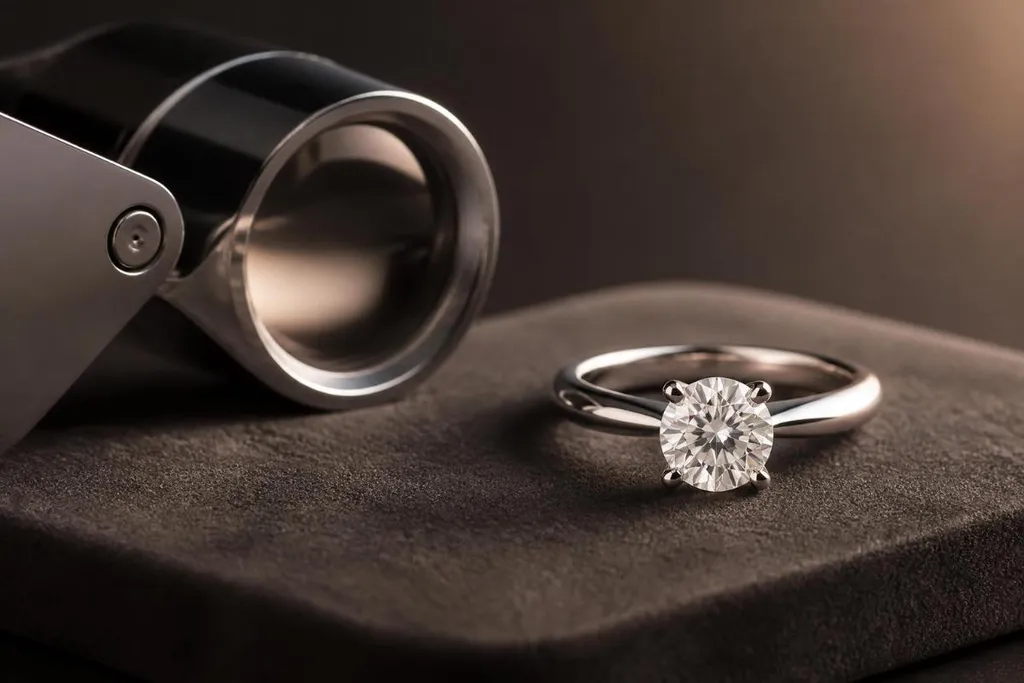
An engagement ring does not need imposing proportions to make an impression. For many wearers, elegance comes from finer lines, considered proportions and a design that feels effortless on the hand. Petite lab diamond rings answer that preference particularly well, combining the brilliance of a lab-grown diamond with a lighter, more refined silhouette.
Looking through beautiful lab diamond petite rings highlights how varied a delicate engagement style can be. Petite does not necessarily mean choosing the smallest possible diamond. Instead, it usually refers to the overall balance of the ring: a slender band, carefully scaled setting and centre stone selected to complement rather than overwhelm those proportions.
What Makes a Lab Diamond Ring Feel Petite?
The character of a petite ring is created by several details working together. Band width is perhaps the most immediately noticeable. A fine band leaves more visible space around the finger and can make the centre diamond appear particularly prominent without adding unnecessary weight to the design.
Setting proportions are equally important. Delicate claws, an appropriately scaled gallery and restrained detailing can maintain a light appearance even with a noticeable centre stone. By contrast, a narrow band paired with an excessively heavy setting may look visually unbalanced.
Petite designs are therefore less about strict measurements and more about harmony. The ring should look refined from above and from the side, with no single component appearing disproportionately substantial.
Choose a Diamond Shape That Complements the Design
Diamond shape can dramatically influence the personality of a petite engagement ring. Round brilliant diamonds provide a classic focal point and work naturally with slender bands because of their symmetrical outline.
Oval diamonds are another strong choice for delicate designs. Their elongated shape can create graceful finger coverage without requiring a particularly wide setting. Pear and marquise cuts offer a similar lengthening effect while introducing a more distinctive silhouette.
For someone who prefers clean geometry, an emerald-cut lab diamond can bring sophistication to an otherwise minimal ring. Cushion cuts, meanwhile, soften the overall appearance with rounded corners and a fuller outline.
The centre stone should ultimately be considered alongside the band. A larger diamond can look striking on a petite setting, but bigger is not automatically more elegant. A wearer might deliberately choose a 1-carat stone instead of a 2-carat option because its dimensions feel better balanced with a fine band, sit more naturally on a smaller hand or suit an understated personal style.
Delicate Appearance Still Requires Practicality
A refined ring is intended to be worn, not merely admired. That makes construction particularly important with petite designs.
Very fine bands can look beautifully understated, but they must still provide suitable support for the centre setting. The claws holding the diamond should also feel visually delicate while remaining secure enough for regular wear. Good design finds the point where elegance and structural integrity meet.
Setting height deserves consideration as well. A higher-set diamond can appear light and prominent and may allow a wedding band to sit neatly underneath or alongside the engagement ring. Someone with a particularly active lifestyle, however, may prefer a lower profile that is less likely to catch on clothing.
Metal selection can subtly change the effect. Platinum and white gold create a crisp, cool appearance, while yellow gold brings warmth and stronger contrast around the diamond. Rose gold can give a petite design an especially soft character.
Styling a Petite Ring With a Wedding Band
One advantage of a restrained engagement ring is the freedom it provides when creating a bridal set. A slim solitaire can pair beautifully with a simple polished wedding band for an intentionally minimal look.
Alternatively, a diamond-set wedding ring can introduce additional brilliance while allowing the engagement ring itself to remain delicate. Some wearers choose a slightly wider wedding band to create contrast; others prefer matching widths for a seamless appearance.
It is worth considering the engagement ring's profile before deciding. Depending on the setting, a straight band may sit flush against it, while other designs may pair more naturally with a gently shaped wedding ring.
Final Thought
Petite lab diamond rings demonstrate that refinement is often a matter of proportion rather than scale. A slender band, thoughtfully chosen diamond and carefully engineered setting can produce a ring that feels substantial in meaning without appearing heavy on the hand.
The strongest petite designs retain that sense of delicacy from every angle while remaining practical enough for everyday wear. For someone whose style favours subtlety, clean lines and considered detail, that balance can prove far more compelling than size alone.